
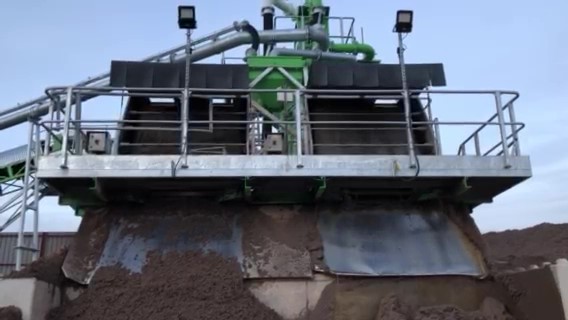
Vibrating Rundown Screens
Vibrating Rundown Screens offer an upgrade from our basic Static Rundown units, which are non-compaction separation or dewatering systems with minimal moving parts, making them a highly cost-effective and low-maintenance solution.
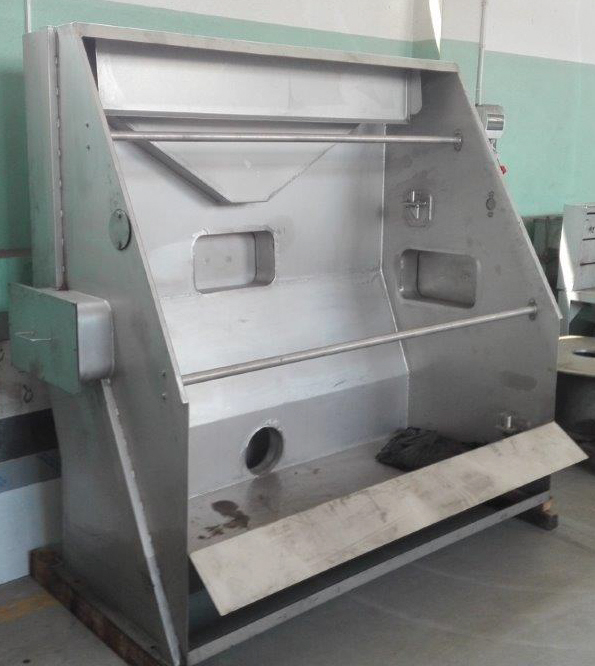
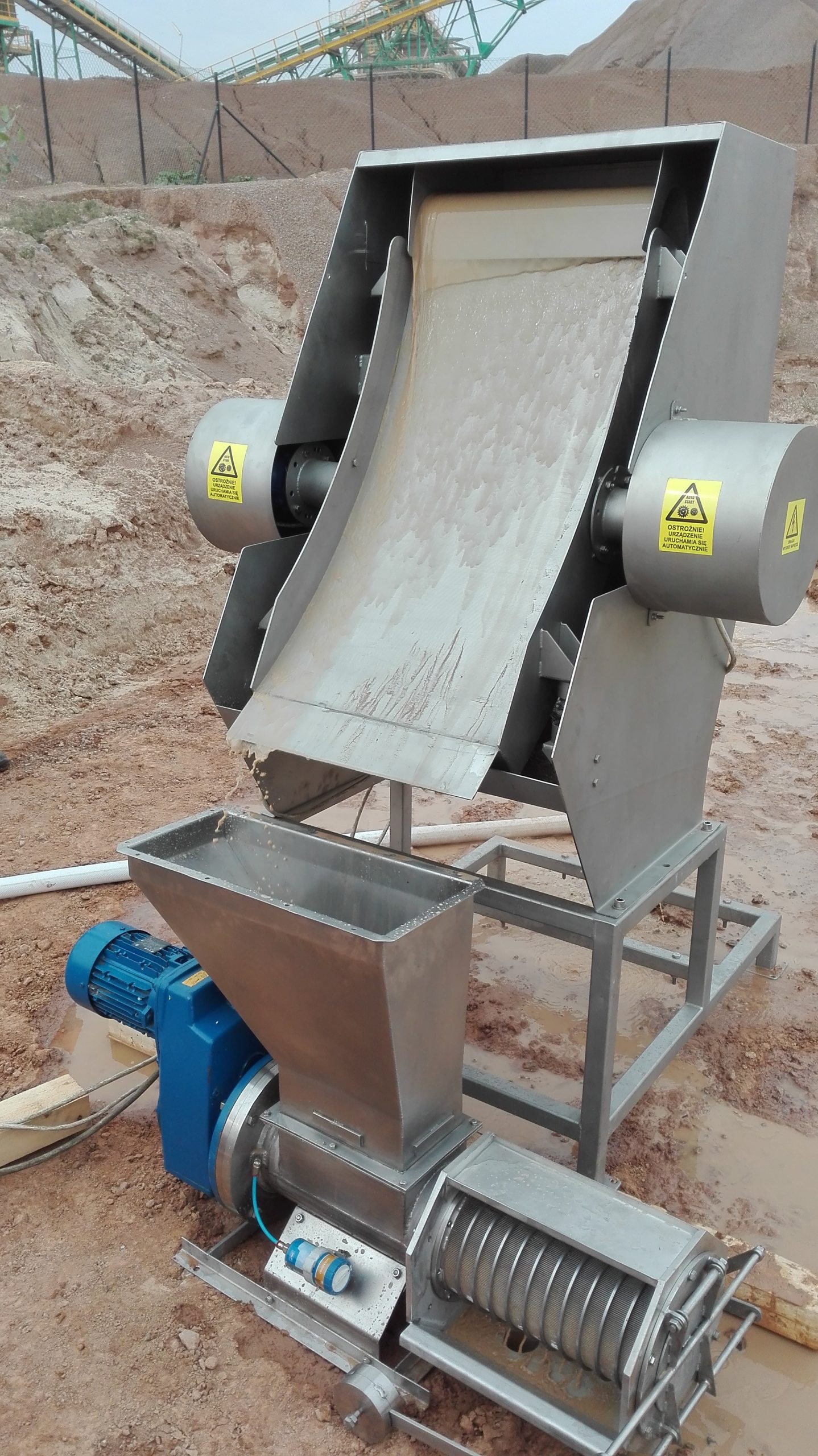
Unlike the Static Rundown units, where the curved sieve screen is integrated into the main frame, the Vibrating Rundown Screen features a sieve screen mounted in a cradle, supported by four springs within the main frame.
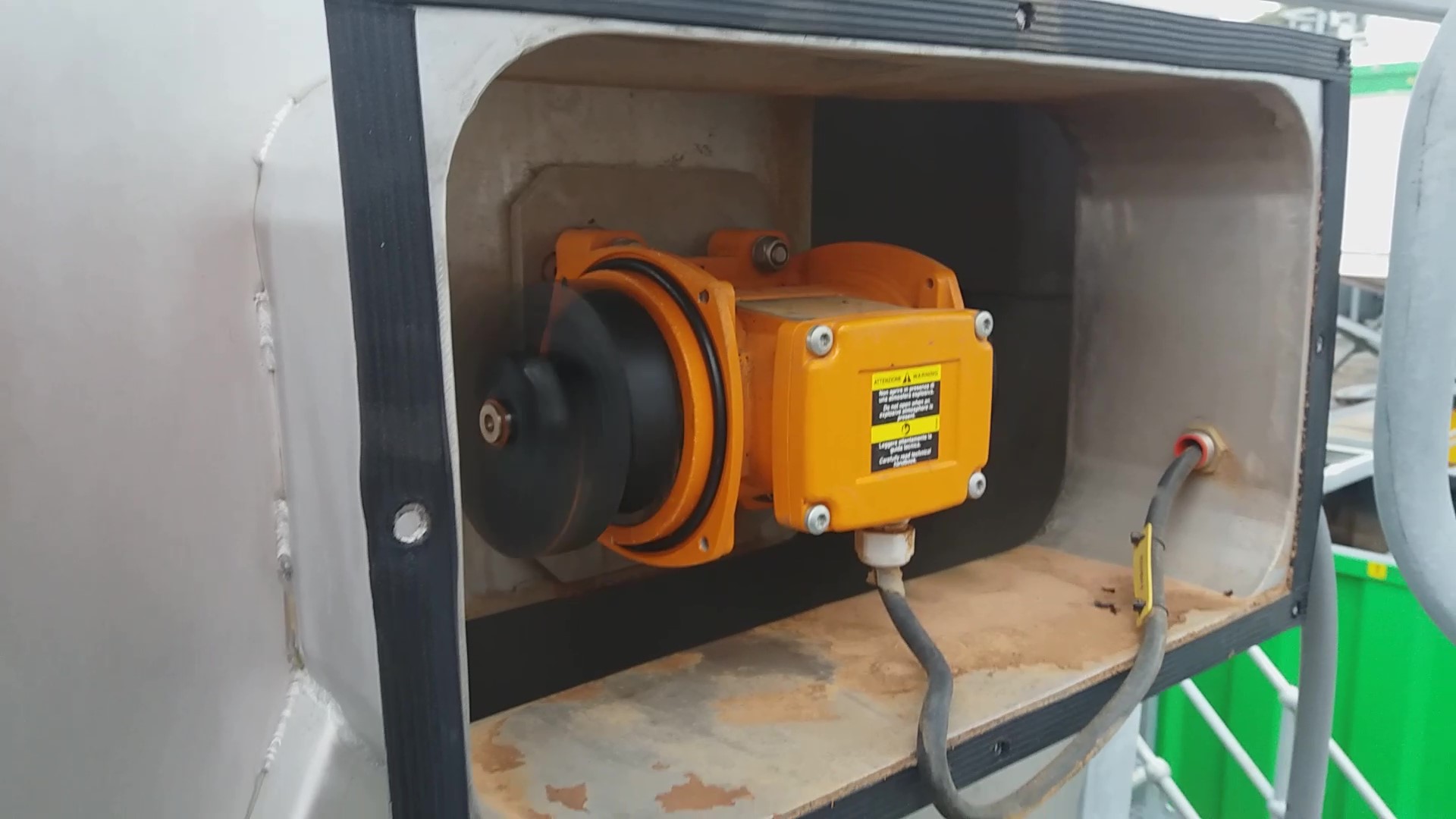
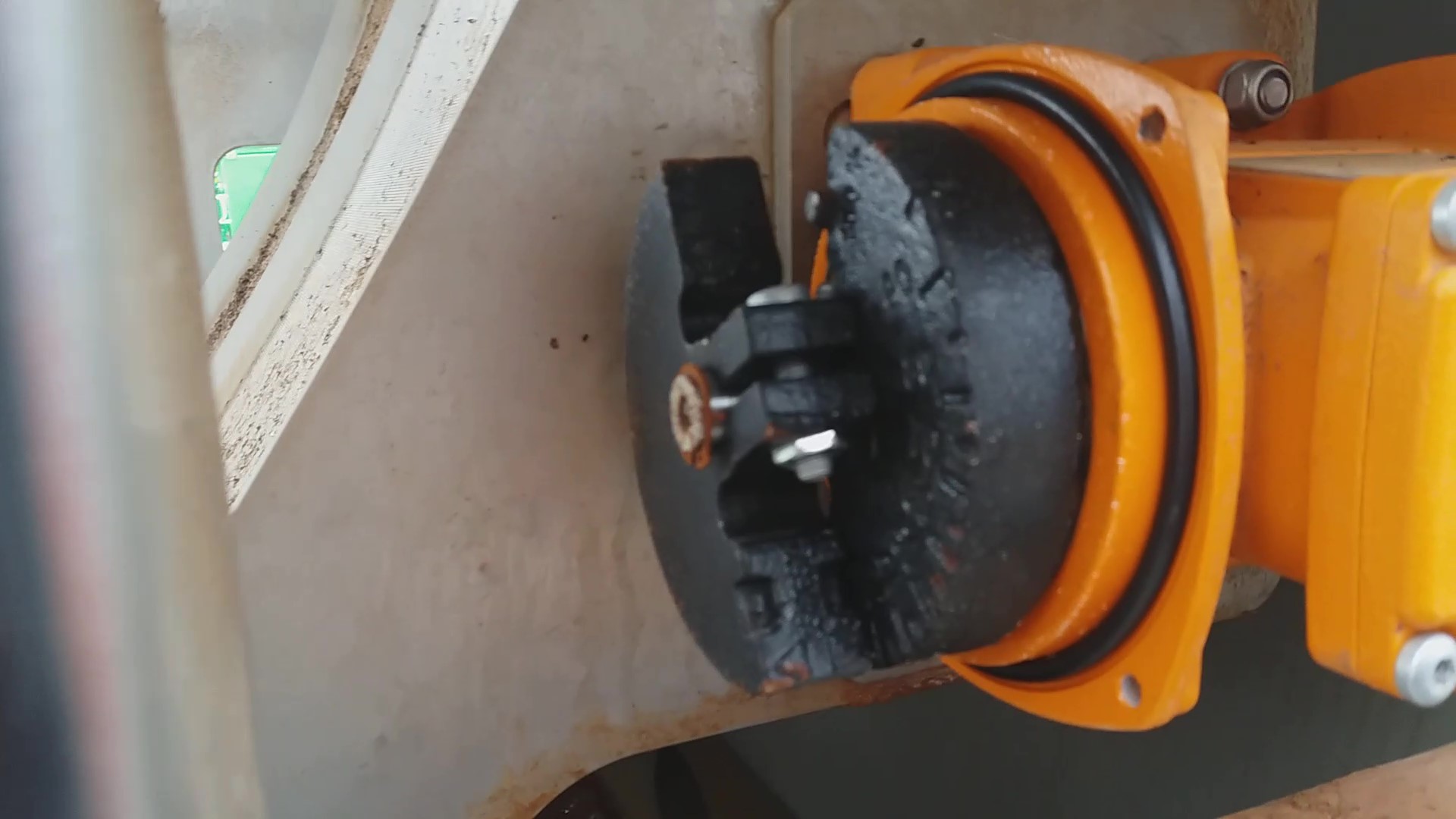
This cradle houses two rotary vibrators that gently vibrate the sieve screen at high speeds, independently of the main frame.
These electrical vibrators are energy-efficient, utilizing fractional kW motors available in both single and 3-phase options.
Page Quick Links
What they do
Operation:
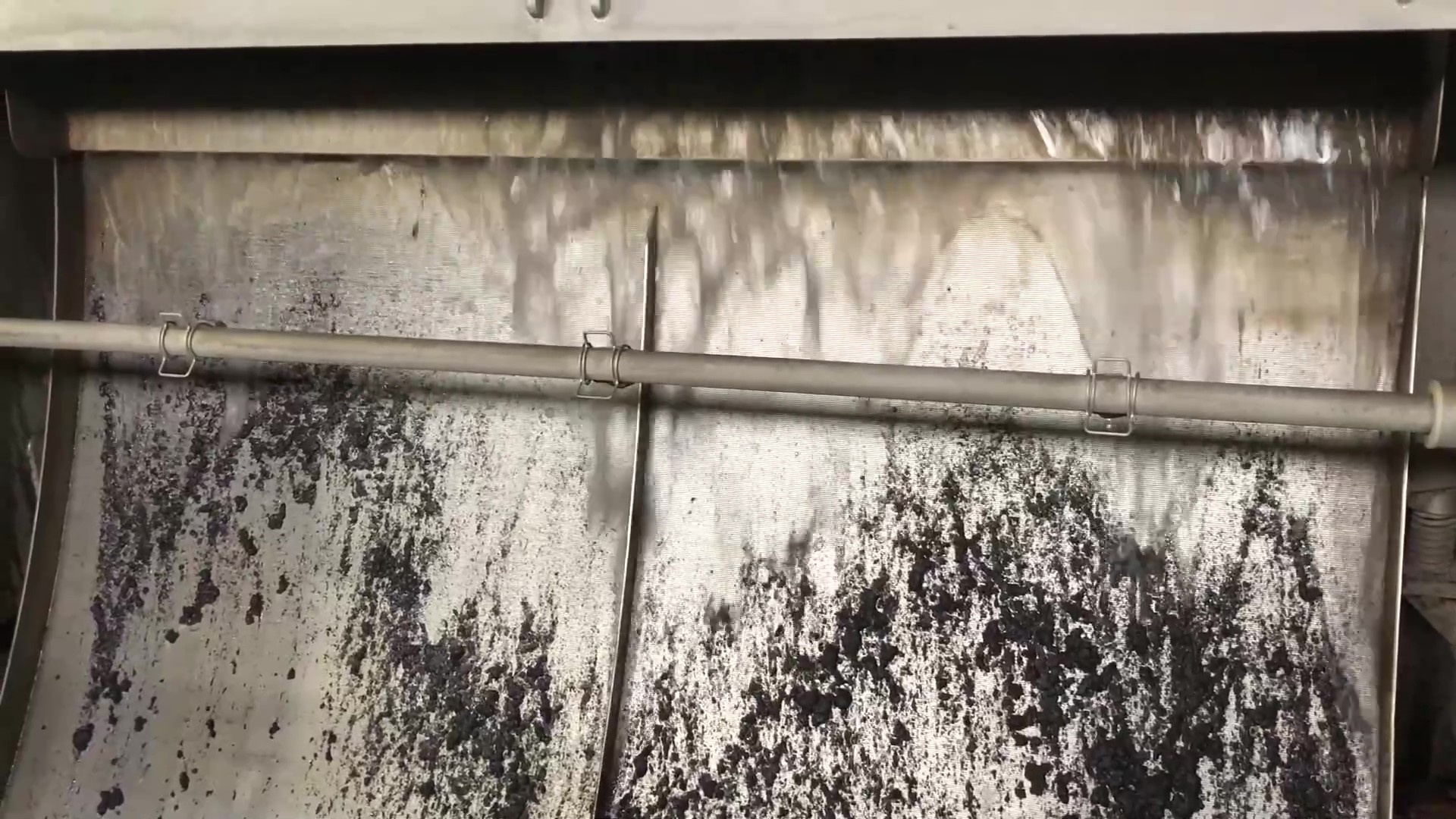
The operation is the same as the Static Rundown units: slurry requiring separation is either pumped or gravity-fed into the top-mounted header tank above the sieve screen. Once the tank is full, the slurry flows over the built-in weir and down onto the sieve screen, initiating the separation process.
For further information, visit Rundown Screens.
The high-speed vibration of the sieve screen greatly enhances the efficiency of the Rundown system compared to a static unit, as the additional vibration and agitation provide several key benefits:
- Accelerates the separation process, increasing throughput by moving solid matter off the screen faster.
- Forces more liquid through the screen, resulting in a higher dry matter content in the solids.
- Allows for the use of a smaller gap size wedge wire screen, reducing the amount of solid matter left in the separated liquid.
- Handles slurries with higher dry matter content, making it effective for more challenging materials.
SMG Industries
Let's chat
Phone: +44 (0) 330 229 0193
Email: info@smg-industries.com
MON-FRI 09:00 - 19:00 (GMT), SAT-SUN 10:00 - 14:00 (GMT)
Contact an expert
More information
How it works
Applications:

These units offer the same versatility and customization options as static rundown screens. For mobile setups, however, the supplied transit locks must be engaged whenever the unit is moved to prevent the screen cradle from detaching.
The system is highly scalable, and for configurations integrated into installations, all units are designed so the Sieve Screen Cradle can be easily removed without dismantling the entire unit.
SMG Industries
How it works
Options for Compaction:

While rundown screens are non-compaction units, higher levels of dewatering can be achieved by adding our compaction modules, enabling both first and second-stage processing within a single system.
This integrated design, combined with the non-compaction advantage—where fewer small solid particles pass through the sieve screen gaps with the liquid—allows for efficient, high-throughput dewatering and separation at a cost-effective rate without compromising performance.
For more information, visit the Dewatering & Separation section under the Non-Compaction heading.
How it works
Throughput:
Slurry throughput is influenced by various key factors:
Slurry type and viscosity:
We can provide guidance based on specific slurry characteristics.
Rundown size, screen width, and height:
Standard unit dimensions:
– Width options: 0.5m – 1.7m
– Height options: 1.25m & 1.9m
Solid particle size removal:
A variety of sieve screen gap sizes are available:
Ranging from 0.08mm to 2.0mm (larger sizes can also be supplied).
Custom sizes and designs are available to accommodate specific installations or large throughput requirements by coupling multiple units.
How it works
Limitations

Although these units are more efficient than static ones, they follow similar principles for processing incoming slurries.
However, the added vibration dynamics allow for the capture of more solid matter from challenging slurries. When combined with compaction module options, they can achieve a significantly higher dry matter content.
Coagulating the slurry before it passes over the rundown screen allows for the removal of significantly more fine solids from the liquid, but it may increase the ongoing costs of the separation process.
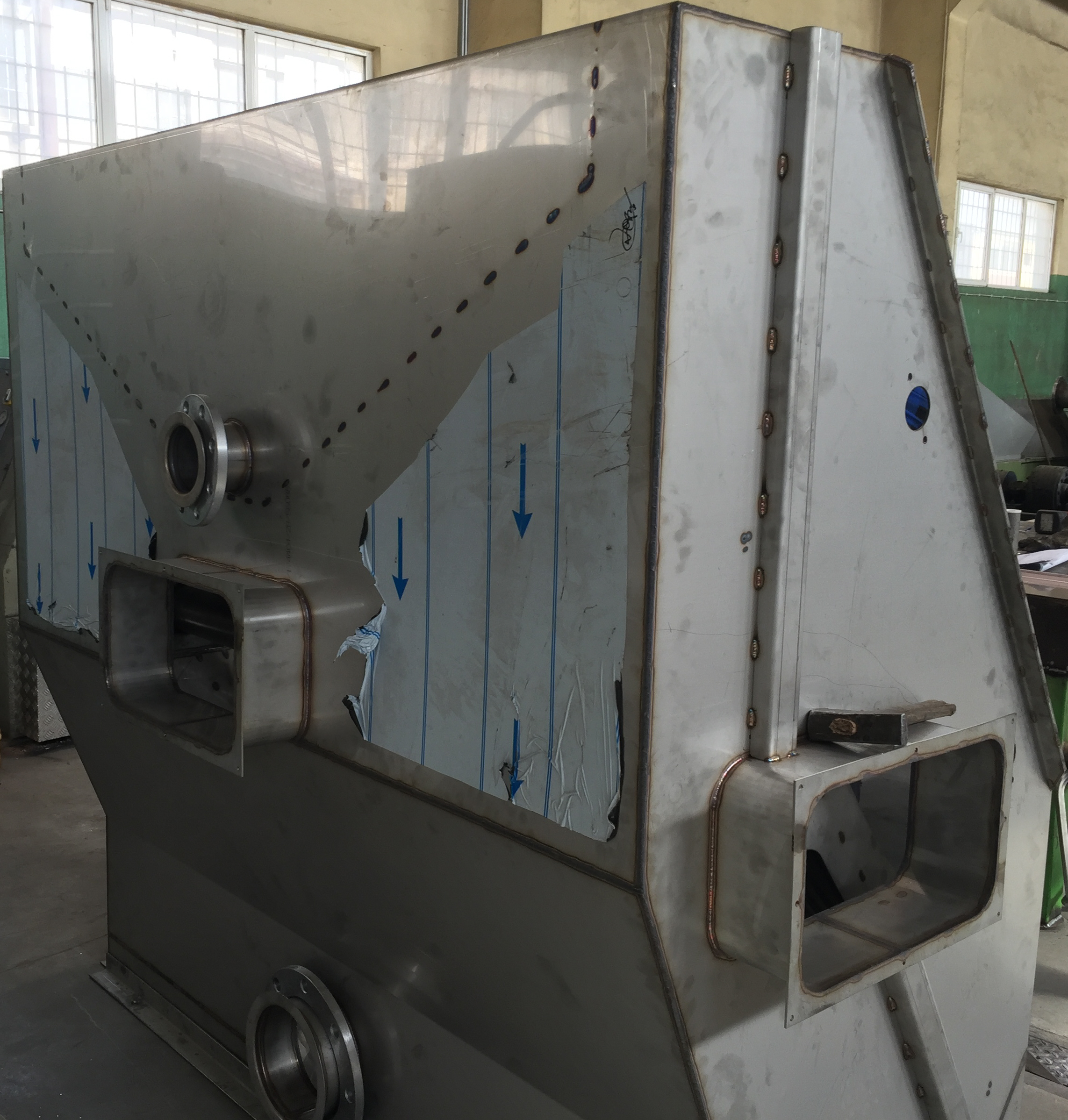
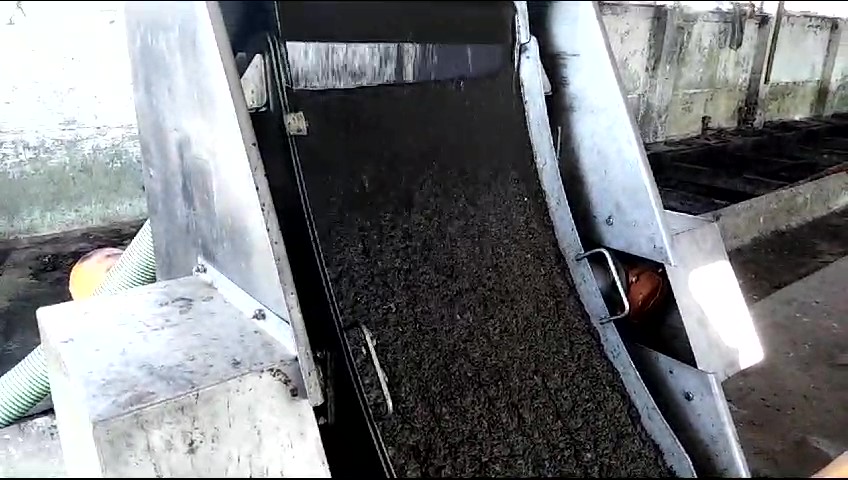
Vibrating Rundown Pictures






Vibrating Rundown Videos
Playlist
1.38
0.13
0.58
0:20

0:05
0:42
0:10
